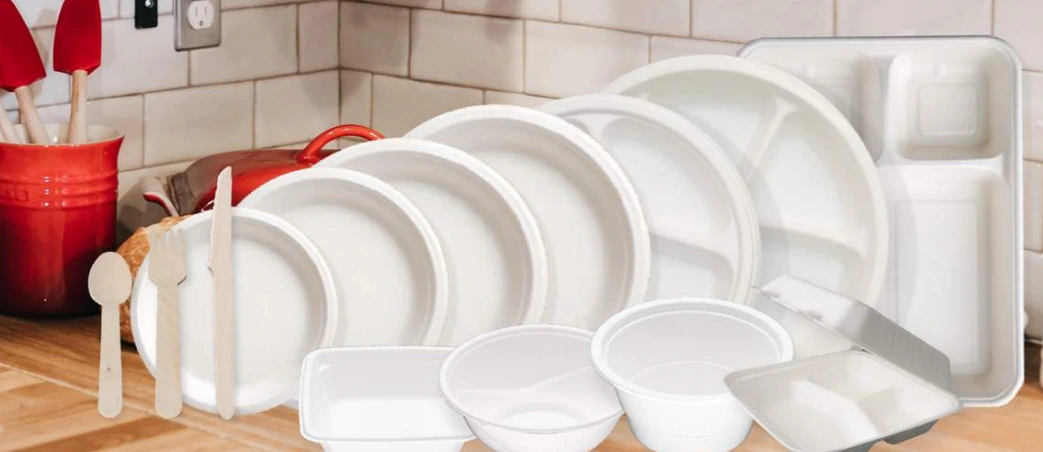
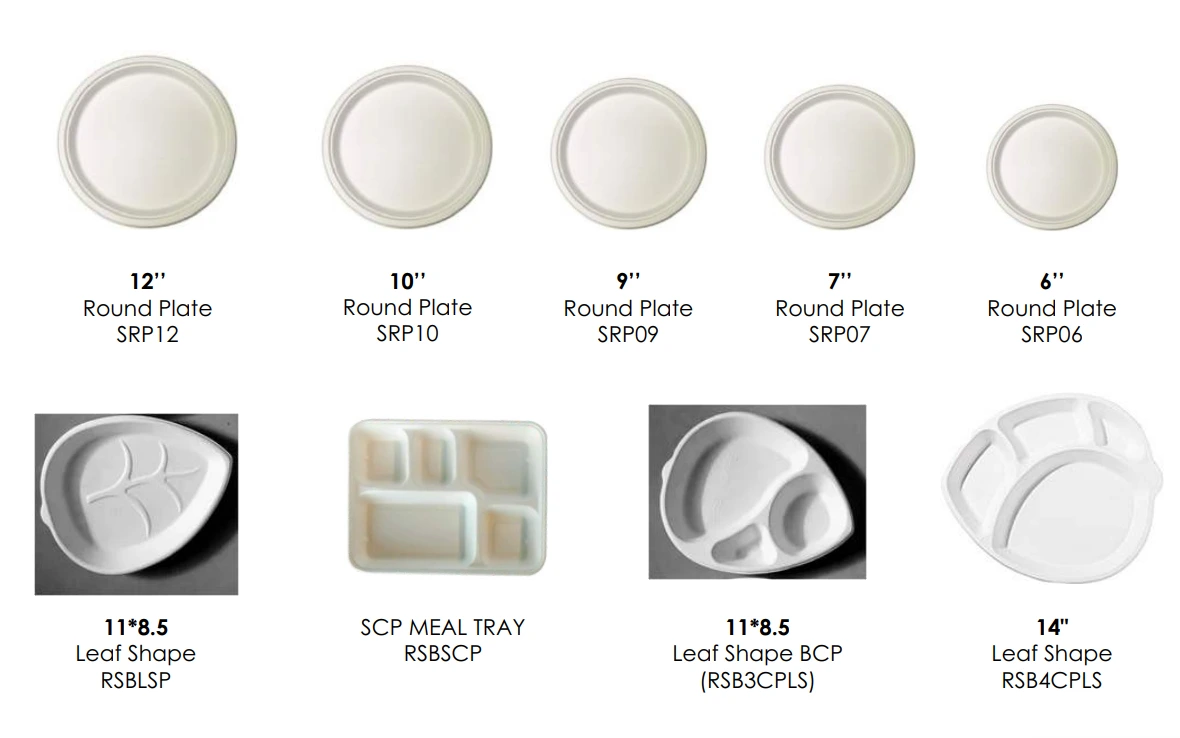
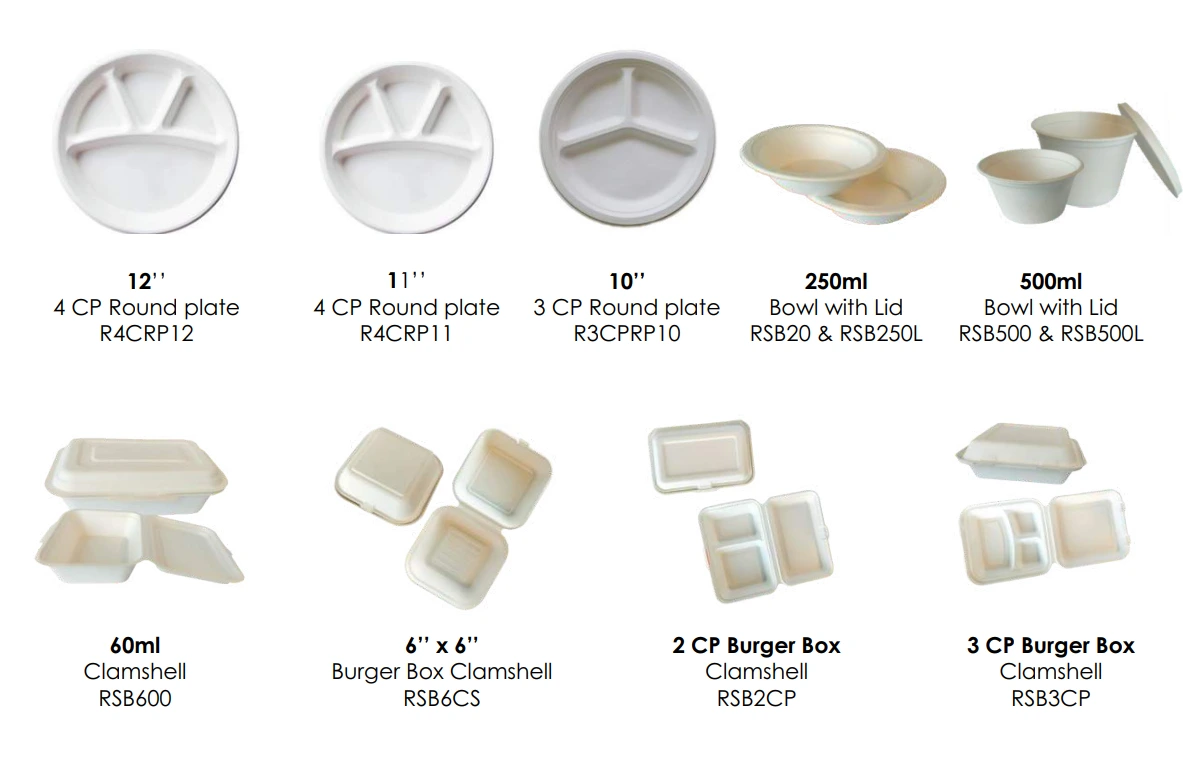
Bagasse is burned as fuel in the sugarcane mill or used as a source of cellulose for manufacturing animal feeds. Paper is produced from bagasse in several Latin American countries, in the Middle East, and in sugar-producing countries that are decient in forest resources. By utilizing the waste from the brous stalks from sugarcane, bagasse can be used to create products ranging from tableware and food serving items to food containers, paper products and more.

Materials are substances or components used in the creation of products and structures, and they can be either natural or synthetic. Natural materials, such as wood, cotton, and stone, are derived from nature and are often renewable and biodegradable, making them environmentally friendly. On the other hand, synthetic materials, like plastics and nylon, are manufactured through chemical processes. These materials are highly durable and versatile but tend to be non-biodegradable, which can pose environmental challenges.
In addition to natural and synthetic materials, composites combine two or more substances to improve their properties. Examples include fiberglass and concrete, which offer enhanced strength and flexibility. Metals, such as steel and aluminum, are widely used in construction and manufacturing due to their strength and conductivity, while ceramics, made from non-metallic minerals, are heat-resistant and used in a variety of industries, from electronics to pottery.

Caring for biodegradable products, particularly those made from bagasse, involves understanding their limitations and using them appropriately to maximize their lifespan. Bagasse products are generally heat-resistant and can handle temperatures up to around 120°C (250°F), making them safe for reheating food in a microwave. However, they are not designed for prolonged exposure to high temperatures, so they should not be used for baking or cooking at high heat. When it comes to liquids, bagasse items are resistant to moisture and grease for short-term use, but extended contact with liquids can weaken their structure, so it's best to avoid long-term use with highly wet foods.
Disposing of bagasse products is straightforward and environmentally friendly, as they are compostable and biodegradable. After use, these products can be disposed of in a compost bin, where they will break down naturally over a few months. If composting is not an option, bagasse products can be disposed of in general waste, though they will still degrade much faster than traditional plastic materials in landfills. By following these care and disposal instructions, users can contribute to reducing waste and promoting a more sustainable environment.

Areca Leaf Products

Paper Straws

Birchwood Cutleries

